

Welcome Message
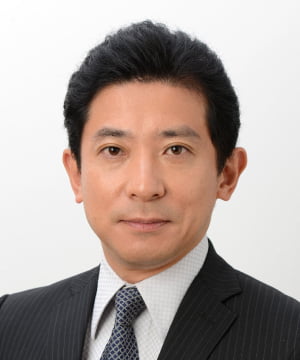
Greetings everyone, I am Hiroshi Takayanagi of the Department of Immunology in the Graduate School of Medicine at The University of Tokyo. It is a tremendous honor for me to be able to serve as President and preside over the 71st Annual Scientific Meeting of the Japan College of Rheumatology, an assembly with such a long and distinguished history since its founding in 1957. I wish to extend my deepest gratitude to all past presidents and chairs as well as to all members of the Japan College of Rheumatology, whose steadfast dedication has sustained and advanced this society.
Ever since its early days, the Japan College of Rheumatology has attracted physicians and researchers in internal medicine, orthopedic surgery, pediatrics, pathology, immunology, and a wide range of other disciplines, developing thanks to a two-pronged approach of clinical practice and basic research. My own career started as an orthopedic surgeon with a clinical practice, after which I shifted my focus to basic research. It has been research in the pioneering field of osteoimmunology that has imbued in me a more profound understanding of the pathophysiology of rheumatic diseases and allowed me to participate in initiatives to transform conceptual foundations underlying treatment. Both as a researcher and clinical physician, I realize how robustly basic research not only aids clinical approaches, but also fundamentally reshapes the very practice of medicine.
Rheumatology today stands at a new critical juncture. In clinical practice, the availability of a wide array of biological agents and other molecular-targeted therapies has made clinical remission a concrete and achievable treatment goal, dramatically improving treatment outcomes overall. Yet, at the same time, these advances have thrown into sharp relief patients’ unmet needs. There are growing and urgent calls for more individualized protocols that deliver precisely tailored treatment to each patient. Addressing these demands requires an even better two-way partnership where clinical observations are fed back into basic research, and basic research findings translated into clinical applications. For example, advances in single-cell RNA sequencing and other single-cell analysis technologies as well as genomic and epigenomic analysis enable us to go beyond seeing rheumatic diseases as heterogenic conditions and instead to achieving a precise, molecularly-grounded understanding of the states, interactions, and temporal dynamics of immune and stromal cells. The ability to stratify diverse pathological states, which used to be grouped under a single diagnostic label, and devise intervention strategies tailored to each individual patient will be the foundation upon which rheumatological precision medicine will be built.
I would count the discovery of regulatory T cells as one of the most important conceptual advances that basic research has contributed to our understanding of autoimmune diseases. This discovery was the impetus propelling a transition away from viewing autoimmune diseases as an ‘aggregate of excessive immune responses’ and fostering a structural understanding grounded in the breakdown of immune regulatory mechanisms. This shift fundamentally transformed our conception of these diseases. Furthermore, CAR-T cell therapy has been applied to achieve remission in systemic lupus erythematosus. Originally developed for hematological malignancies and subsequently applied to autoimmune diseases based on immunological fundamentals, this treatment protocol has accomplished a depth of remission, which would have been simply inconceivable if considered within the framework of conventional therapeutic thinking. This clearly demonstrates how interventions grounded in basic research are able to transform not only our understanding of disease, but also, as a consequence, the nature of the disease itself.
This is the conviction behind selection of the theme for the 71st Annual Scientific Meeting: Beyond Treatment — Transforming Rheumatology Through Basic–Clinical Integration. Therapeutic advances have dramatically improved the prognosis and quality of life of many patients. However, rheumatology needs more than simply a greater array of available treatment options. We must also fundamentally reexamine our intellectual framework: how we understand disease, what units we use to conceptualize it, and at what point we intervene. At this conference, I hope we can share how our basic research is reshaping that framework and advancing the whole of rheumatology.
I would also like to note the increase in opportunities in recent years that I have had to engage in international research. I feel it is essential to ensure these commitments in no way compromise the preparation and running of this meeting. To that end, I have established a structure in which Professor Yuho Kadono of the Department of Orthopedic Surgery at Saitama Medical University serves as Vice President, providing assistance in all aspects of preparation and operation of this conference. I am fully confident Professor Kadono's extensive clinical experience and deep insight will be an enormous contribution, ensuring this meeting runs smoothly and is productive for all.
In addition to fostering an integrative discussion about basic and clinical research, the 71st Annual Scientific Meeting will feature programs designed to highlight the work of our next generation of young investigators as well as sessions encouraging study from a cross-disciplinary perspective. It is my hope that this gathering will invigorate the Japan College of Rheumatology as a whole and advance its future development. With guidance and cooperation of the program committees and all those involved in organizing this meeting, we are pressing forward assiduously to make this a rewarding and productive experience for everyone.
It is my sincere hope that the 71st Annual Scientific Meeting will be a catalyst helping us to envision the coming era of rheumatology. I warmly invite everyone to participate and engage in spirited discussion.